
Xiaomi Redmi 14C
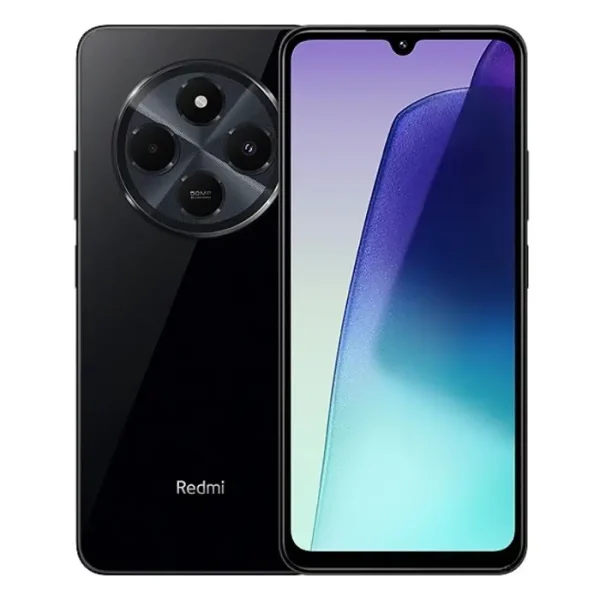
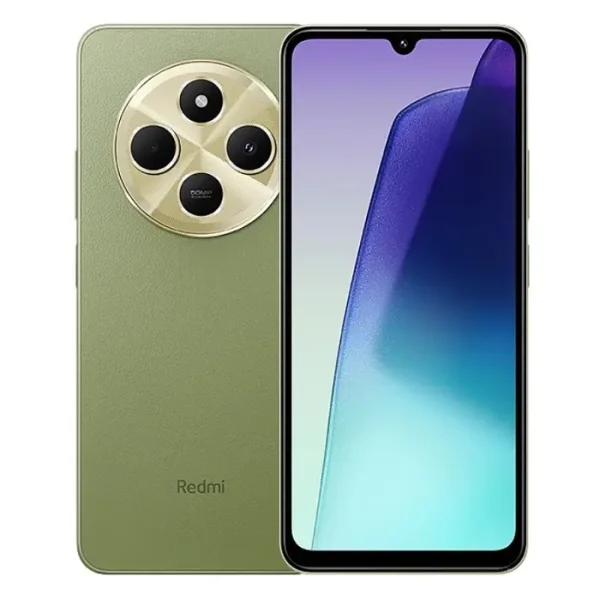
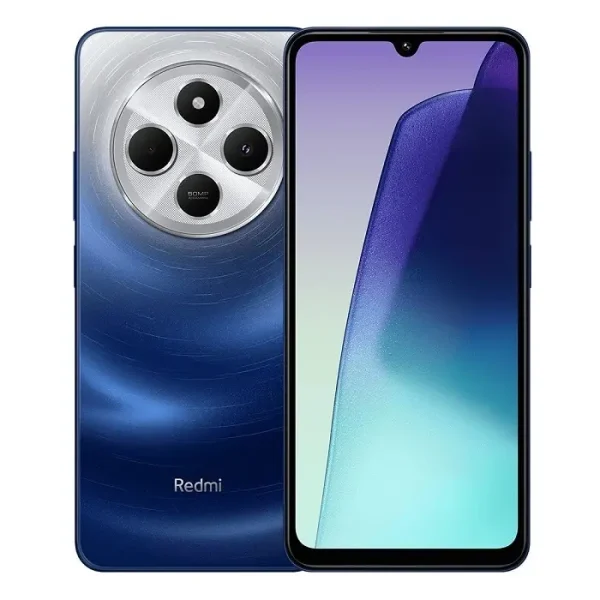
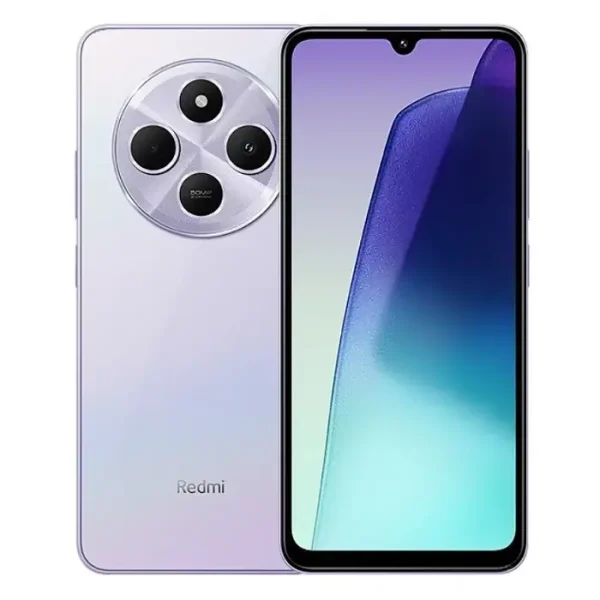
-
CPU: Octa Core
-
RAM: 4GB/6GB/8GB
-
Storage: 128GB/256GB
-
Display: 6.88 inches
-
Camera: Main: 50+2MP, Front: 13MP
-
OS: Android
Specifcations
General
| Brand | Xiaomi |
| Model | Redmi 14C |
| Device Type | Smartphone |
| Released | 07 October, 2024 |
| Status | Available |
| Price | : 12,990 (4GB+128GB) Official, 13,990 (6GB+128GB) Official, 13,499 (8GB+256GB) Unofficial |
Software
| Operating System | Android |
| User Interface UI or user interface of a device is the look and feel of the on-screen menu system. How it works, its color scheme, how it responds to button presses, all of these things are part of the user interface. | HyperOS |
| OS Version | v14 |
Hardware
| RAM RAM (Random Access Memory) is a type of computer memory that can be accessed randomly, any byte of memory can be accessed without touching the preceding bytes that allows information to be stored and accessed quickly from random locations. RAM is the most common type of memory found in computer systems, smartphones, tablets and other electronic devices. | 4GB/6GB/8GB |
| Chipset Chipset is a group of integrated circuits designed to perform one or a more dedicated functions, often with real time computing constraints, Popular smartphones are equipped with more advanced embedded chipsets that can do many different tasks depending on their programming. | MediaTek Helio G81-Ultra |
| CPU CPU (Central Processing Unit) mostly known as processors, CPU processes instructions in order to carry out certain functions that make your device operate properly. Processors are often described as the brain of computers, smartphones and tablets, Smartphones and tablets rely on processors to carry out their every task, Processors are an incredibly important factor in selecting any type of computing device, including your smartphone. | Octa-core (2.0 GHz Cortex-A75+Cortex-A55) |
| CPU Cores | 8 Cores |
| GPU GPU (Graphics Processing Unit) is a single-chip processor designed to rapidly manipulate and alter memory to accelerate the creation of images in a frame buffer intended for output to a display, This includes things such as lighting effects, object transformations, and 3D motion. | Mali-G52 MC2 |
| Internal Storage Internal Storage is a data storage space (flash memory) mostly used in smartphones, tablets and other electronic devices where operating system, apps, music, photos, videos, files and other user data Is stored. | 128GB/256GB |
Camera
| Primary Camera Camera is able to capture photographs and usually videos, The most important characteristics of a camera are the resolution (measured in megapixels), lens focus type (fixed or automatic), higher megapixel cameras are known to capture higher quality photos, but not always a good measurement of the photos quality. | 50+2MP |
| Camera Setup | Single |
| Resolution | 50 MP, f/1.8, 2 MP, f/2.4 |
| Autofocus | |
| Image Resolution | 13 MP, f/2.0, Primary Camera |
| Video Resolution | 1920x1080 |
| Zoom | Digital Zoom |
| Selfie Camera | 13MP |
| Camera Setup | Single |
| Image Resolution | 13 MP, f/2.0, Primary Camera |
| Video Resolution | 1920x1080 |
Battery
| Battery Type Battery Type => Cell phones run on various kinds of batteries depending on the manufacturer, phone size or shape and features. There are basically four types of cell phone batteries => Lithium Polymer, Lithium Ion, Nickel Metal Hydride and Nickel Cadmium. | Lithium Polymer |
| Capacity Battery Capacity is a measure (typically in Amp-hr) of the charge stored by the battery, and is determined by the mass of active material contained in the battery. The battery capacity represents the maximum amount of energy that can be extracted from the battery under certain conditions. | 5160 mAh |
| Quick Charging | 18W wired |
| Placement | Non-removable |
| USB Type | Type C |
| Rechargeable |
Display
| Display Type Display Technology => A number of display technologies and types used in mobile phones => TFT (Thin Film Transistor), IPS (In-Place Switching), OLED (Organic Light Emitting Diode), AMOLED (Active-Matrix Organic Light-Emitting Diode), Super AMOLED (an even advanced version of AMOLED), Resistive Touchscreen (Resistive touchscreens contain two layer of conductive material with a very small gap between them which acts as a resistance), Capacitive Touchsceen (Capacitive touchscreen technology consists of a layer of glass coated with a transparent conductor) | IPS LCD |
| Screen Size | 6.88'' |
| Resolution | 720x1640 px (HD+) |
| Screen to Body Ratio | 84.0% |
| Display Protection Display Protection => Gorilla Glass is a special alkali-aluminosilicate glass shield with exceptional damage resistance that helps protect mobile displays from scratches, drops, and bumps of everyday use, It is always better to go for a smartphone with Gorilla Glass for that added protection and peace of mind. | Gorilla Glass v3 |
| Refresh Rate | 120 Hz |
| Touch Screen | Capacitive Touchscreen |
Sensors & security
| Fingerprint Sensor | |
| Light Sensor | Light sensor, Accelerometer, Compass, Gyroscope |
| Finger Sensor Position | Side-mounted |
| Face Unlock | Yes |
Design
| Height | 171.8 mm |
| Width | 77.8 mm |
| Thickness | 8.2 mm |
| Weight | 211 grams |
| Waterproof | |
| Colors |
Sage Green, Midnight Black, Dreamy Purple, Starry Blue |
Network
| Network | 2G, 3G, 4G |
| SIM Slot | Dual SIM, GSM+GSM |
| SIM Size | SIM1: Nano, SIM2: Nano |
Connectivity
| Bluetooth Bluetooth is a wireless communications technology for exchanging data between mobile phones, headsets, computers and other network devices over short distances without wires, Bluetooth technology was primarily designed to support simple wireless networking of personal consumer devices. | v5.3 |
| Wi-fi Wi-Fi is a popular wireless networking technology using radio waves to provide high-speed network connections that allows devices to communicate without cords or cables, Wi-Fi is increasingly becoming the preferred mode of internet connectivity all over the world. | Wi-Fi 5 |
| LAN | (802.11 a/b/g/n/ac) 5GHz |
| Wi-fi Hotspot | Yes |
| EDGE EDGE (Enhanced Data GSM Environment) is a wireless network technology generally considered the next step in the 2G network offers data transfer rates up to four times faster than ordinary GSM networks, Generally, EDGE is used for the purpose of wireless data transfer, such as sharing pictures and videos or browsing the Internet via a mobile phone connection. | Available |
| GPRS GPRS (General Packet Radio Service) is a packet oriented mobile data service on the 2G and 3G cellular communication system's global system for mobile communications (GSM), Generally, GPRS is used for the purpose of wireless data transfer, such as sharing pictures and videos or browsing the Internet via a mobile phone connection. | Available |
| USB | Mass storage device, USB charging |
| GPS GPS The Global Positioning System is a satellite-based radio navigation system, GPS permits users to determine their position, velocity and the time 24 hours a day, in all weather, anywhere in the world, In order to locate your position, your device or GPS receiver must have a clear view of the sky. | Yes |
| NFC NFC (Near field communication) is a set of standards for smartphones and similar devices to establish peer-to-peer radio communications with each other by touching them together or bringing them into proximity, usually no more than a few inches. | Yes |
Made By
| Country | China |
Redmi 14C Price in Bangladesh 2025 & Overview
Xiaomi Redmi 14C is designed by the Qualcomm Snapdragon 4 Gen 2. It has Octa core (2.2 GHz, Dual core, Cortex A78 + 1.95 GHz, Hexa Core, Cortex A55) that uses 64 bit and GPU. It runs on Android v14 operating system with 4GB/6GB RAM and 64GB/128GB/256GB storage. Redmi 14C exhibits a 6.88” HD+ LCD screen with a 120Hz refresh rate and a resolution of 720x1640px. Redmi 14C Price in Bangladesh is 12,990 (4GB+128GB) Official, 13,990 (6GB+128GB) Official, 13,499 (8GB+256GB) Unofficial.
It emphasizing a slim 8.2mm body and a big 5160mAh battery with 18W fast charging support. Redmi 14C Paired with the strong Xiaomi optimise picture quality, Imaging Engine, and speed from the underlying technology to bring every occasion to life. It offers 50MP AI primary camera and 13MP selfie camera for smooth photography. The front camera is upgraded to 13MP with night mode support.
| ✅ Pros | ❌ Cons |
|---|---|
| 120Hz display | Only HD+ resolution |
| 5160mAh battery | Average night photography |
| Efficient Helio G81 chipset | No ultra-wide or macro camera |
| Gorilla Glass 3+ protection | Bulky build |
| Side-mounted fingerprint sensor | No 5G support |
| HyperOS on Android 14 | Slower eMMC storage |
| Available in 128GB and 256GB variants. | The plastic build might not feel as premium. |
Frequently Asked Questions (FAQ) of Redmi 14C
Q: Is Redmi 14C good for gaming?
Ans: It is powered by the MediaTek Helio G81 Ultra chipset, which can handle light to moderate gaming like Free Fire, Clash of Clans, and Asphalt 9. But It’s not designed for heavy games like PUBG.
Q: How is the battery life of Redmi 14C?
Ans: It supports 18W fast charging and runs by a full day to one-and-a-half days of usage on a single charge.
Q: Does Redmi 14C support 5G?
Ans: No, Its only 4G support.
Q: Does Redmi 14C have a good camera?
Ans: Yes, with 50MP AI primary camera and 13MP selfie camera
Buy Xiaomi Redmi 14C on amazon.com or mi.com
Reviews
Disclaimer Note
More Products from Xiaomi
-
 Xiaomi Redmi Note 8
৳: 17,499 (3GB+32GB), 18,999 (4GB+64GB), 20,999 (4GB+128GB), Official
View specs →

New Arrivals
-
 Samsung S25 Ultra Review
৳1,99,999 (12GB+256GB) Official, 2,24,999 (12GB+512GB) Official, 2,26,999 (12GB+1TB) Official
Samsung S25 Ultra Review
৳1,99,999 (12GB+256GB) Official, 2,24,999 (12GB+512GB) Official, 2,26,999 (12GB+1TB) Official
-
 Vivo X Fold 5
৳: 139,500 (12GB+256GB), 149,500 (12GB+512GB) Unofficial
Vivo X Fold 5
৳: 139,500 (12GB+256GB), 149,500 (12GB+512GB) Unofficial
-
 Realme GT 7 5G
৳: 76,000 (12GB+512GB) Unofficial
Realme GT 7 5G
৳: 76,000 (12GB+512GB) Unofficial
-
 Infinix Hot 60 Pro Plus
৳: 21,990 (8GB+128GB) Official, 23,990 (8GB+256GB) Official
Infinix Hot 60 Pro Plus
৳: 21,990 (8GB+128GB) Official, 23,990 (8GB+256GB) Official
-
 Samsung Galaxy Z Flip7
৳: 109,999 (12GB+256GB), 119,999 (12GB+512GB) Unofficial
Samsung Galaxy Z Flip7
৳: 109,999 (12GB+256GB), 119,999 (12GB+512GB) Unofficial
-
 Samsung Galaxy Z Flip7 FE
৳: 135,999 (8GB+128GB), 142,999 (8GB+256GB) Unofficial
Samsung Galaxy Z Flip7 FE
৳: 135,999 (8GB+128GB), 142,999 (8GB+256GB) Unofficial
Top Rated
-
 Apple iPhone 16e
৳: 1,04,990 (8GB+128GB) Official, 94,990 (8GB+256GB) Unofficial
Apple iPhone 16e
৳: 1,04,990 (8GB+128GB) Official, 94,990 (8GB+256GB) Unofficial
-
 Samsung Galaxy A52
৳: 39,999 (Official)
Samsung Galaxy A52
৳: 39,999 (Official)
-
 Samsung Galaxy S23 FE
৳: 93,999
Samsung Galaxy S23 FE
৳: 93,999
-
 Dell Inspiron 3530 Core i3 13th Gen Laptop
৳64,500
Dell Inspiron 3530 Core i3 13th Gen Laptop
৳64,500
-
 Vivo V50 Lite
৳: 29,999 (Official)
Vivo V50 Lite
৳: 29,999 (Official)
-
Vivo X Fold 5
৳: 139,500 (12GB+256GB), 149,500 (12GB+512GB) Unofficial